



Deep Vein Thrombosis Treatment in Maryland
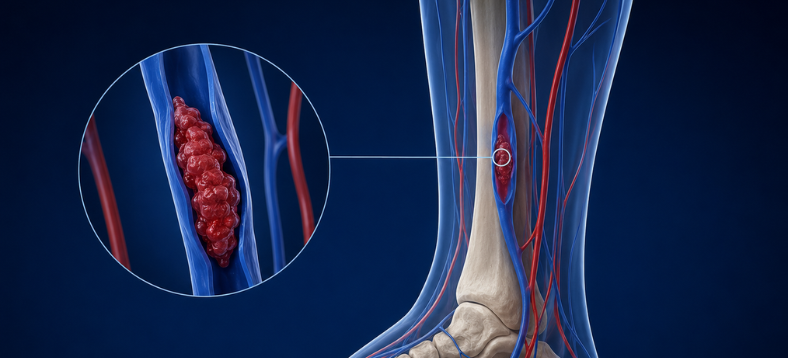
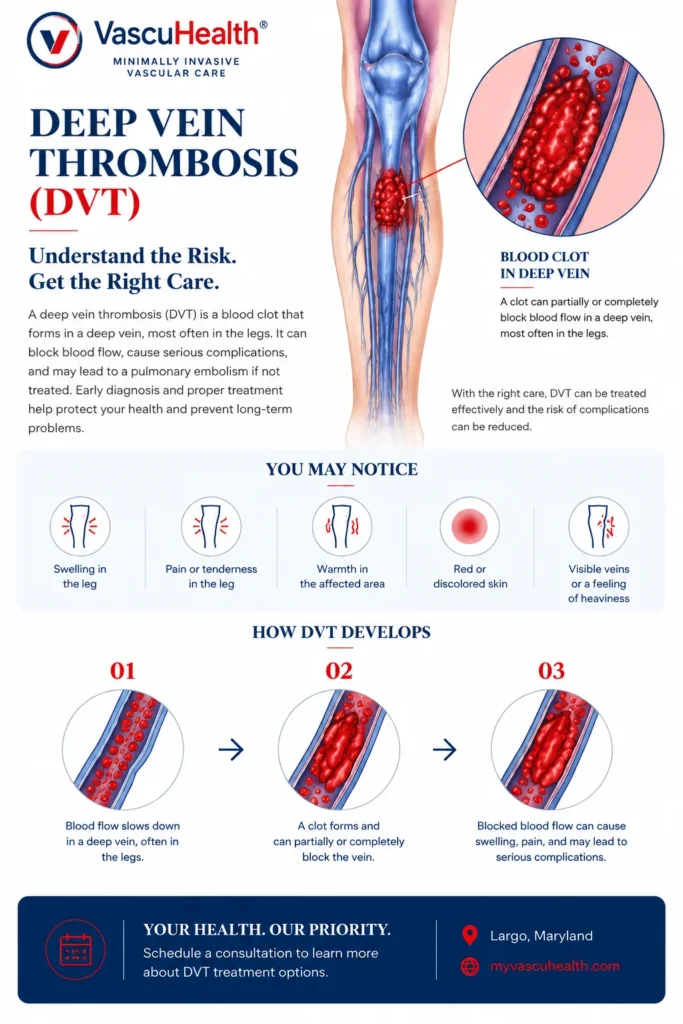
A blood clot in your leg is not a condition to monitor from home. Deep vein thrombosis carries two serious risks that most patients are not warned about until something goes wrong: a pulmonary embolism if the clot detaches, and permanent vein scarring if the clot is undertreated. In many cases, the underlying cause is May-Thurner syndrome, a compression of the iliac vein that restricts blood flow and increases the risk of clot formation or recurrence. At VascuHealth, we diagnose and treat both DVT and this non-thrombotic iliac vein lesion through catheter-based procedures, addressing the root cause as well as the clot itself.Â
How We Treat DVT Beyond What Most Clinics Can Offer
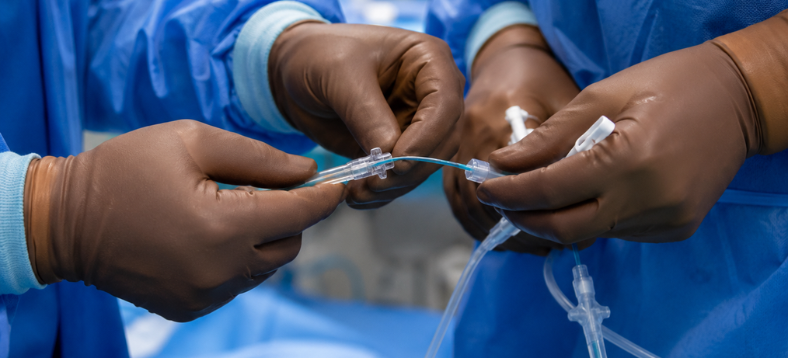
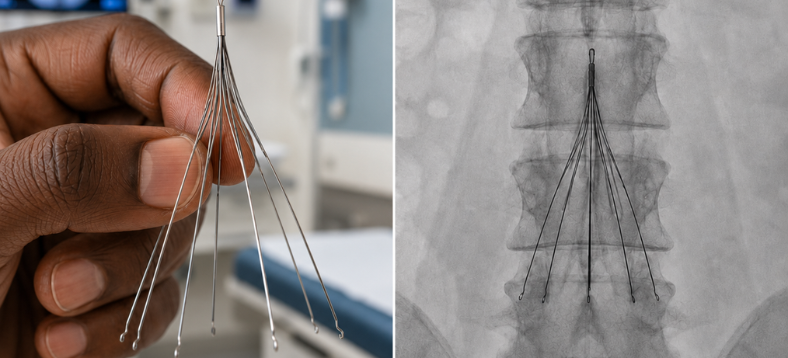
Most clinics that see DVT patients can prescribe blood thinners. Very few can go further than that. Catheter-directed thrombolysis and IVC filter placement require interventional radiology training, imaging-guided catheter access and the clinical setup to perform both procedures safely at outpatient level. Our founding physician earned his medical degree from George Washington University School of Medicine and completed his fellowship at Christiana Care Health System, where he developed advanced expertise in vascular and interventional radiology. Our clinic is equipped to deliver both DVT procedures without hospital admission. Your clot is assessed, treated and followed up by the same physician throughout.
Five Situations That Put Your Vascular Health at Risk for Deep Vein Thrombosis
DVT is triggered by specific events and circumstances, not years of gradual buildup. If you are in or have recently passed through any of the five below and your leg feels different, seeing a deep vein thrombosis specialist today is the right call.
- After Surgery or Hospitalization
- Long-Haul Travel
- Pregnancy and Postpartum
- Extended Immobility
-
Clotting Conditions or Cancer
Post-Surgical Risk Extends Beyond Discharge
Anesthesia, surgical trauma and restricted post-operative movement create conditions where clotting is more likely. Hip and knee replacements carry the highest individual risk, but any procedure requiring more than a day of bed rest extends your vulnerability for up to four weeks post-discharge. The risk follows you home.
Clotting risk does not end at hospital discharge, it follows you home
Bed rest after any surgery creates conditions where DVT develops
Hip and knee replacements carry the highest post-surgical clotting risk
Early DVT evaluation after surgery prevents clot progression and long-term vein damage
Four Hours of Sitting Is a Clinical DVT Trigger
Sustained sitting in a confined position reduces venous return from your legs significantly. At the four-hour mark, clinical DVT risk becomes measurable. Dehydration, common during air travel, thickens your blood and compounds the effect. DVT following long-haul travel affects otherwise healthy patients with no prior vascular history. Symptoms may appear mid-journey or in the two to three days following arrival.
Four continuous hours of sitting is a recognised clinical DVT trigger
Air travel dehydration thickens blood and compounds clotting risk
DVT symptoms after travel can appear two to three days after landing
Prompt evaluation after travel-related symptoms prevents clot from progressing to pulmonary embolism
Pregnancy Raises Your Clotting Risk at Every Stage
Your body increases natural clotting factors during pregnancy as a protective response for delivery, creating a hypercoagulable state across all three trimesters and for six weeks after birth. One-sided leg swelling with warmth or tenderness during this period is a clinical sign requiring same-day evaluation. It should not be attributed to routine fluid retention without confirmation.
Clotting risk stays elevated across all three trimesters and six weeks after birth
One-sided leg warmth or swelling is a clinical sign, not routine fluid retention
Postpartum DVT is underreported and requires same-day clinical confirmation
DVT during pregnancy requires specialist evaluation not standard obstetric monitoring
Inactivity Stops Your Veins From Draining Properly
Venous return from your legs depends on active calf muscle contraction during movement. Recognised triggers include bed rest beyond three consecutive days, a limb immobilised in a cast and sustained sitting for six or more hours without interruption. The risk is proportional to the duration and degree of your immobility.
Venous drainage from your legs depends entirely on regular movement
Bed rest beyond three consecutive days creates measurable clotting risk
A limb immobilised in a cast significantly reduces normal venous flow
With DVT doctors at VascuHealth, same-week appointments available
Inherited Disorders and Cancer as Clotting Drivers
Factor V Leiden, antiphospholipid syndrome and prothrombin gene mutations typically go undetected until a first DVT event. Patients with active cancer or undergoing chemotherapy face clotting risk elevated by a factor of up to six above baseline. A first DVT at a young age, or recurrent DVTs across different life stages, should prompt investigation into an underlying thrombophilic condition.
Most inherited clotting disorders go undetected until a first DVT occurs
Active cancer raises clotting risk up to six times above normal baseline
Chemotherapy independently elevates DVT risk throughout treatment
Recurrent DVTs at any age need investigation, not just repeat anticoagulation
Did Your Leg Change After Surgery, Travel or Bed Rest? We Need to See You Today.
If your leg swelled, felt warm or became tender after a known trigger, that presentation needs clinical confirmation now. We have same-week availability at our clinic. Book directly at VascuHealth.
What DVT Does to Your Body When It Goes Undertreated
Most vascular conditions develop over years. DVT is different. The CDC reports up to 100,000 Americans die from pulmonary embolism each year, the majority from a deep vein thrombosis that was not addressed in time. The second risk runs slower but stays longer. An untreated clot scars your vein wall from the inside, producing chronic swelling, leg pain and skin breakdown known as post-thrombotic syndrome. Blood thinners alone do not prevent either outcome in higher-risk presentations. That is where catheter-based treatment makes the difference.
Your DVT Care From First Scan to Full Recovery
DVT treatment involves a decision point that does not exist with most other vascular conditions. Not every clot calls for the same response. We assess yours, determine which path is clinically appropriate and act on that at our facility.
Our Clinical Standard for DVT Treatment in Md, Fellowship-Trained and Board-Certified
Catheter-directed thrombolysis and IVC filter placement are fellowship-level interventional radiology competencies. Dr. Nwosu holds ABR board certification in vascular and interventional radiology and active membership in SIR, RSNA, VIVA and OEIS. For patients across Maryland searching for deep vein thrombosis treatment, our clinic delivers that clinical standard at outpatient level, performed by the physician who assessed you, without a hospital admission or referral process standing between you and treatment.
What Our Patients Say After DVT Treatment at VascuHealth
A swollen leg, uncertainty about what to do and no referral in hand. Here is how it went for our patients across Maryland.
Tiana Harris
Elijah Williams
Nia Anderson